Running a restaurant today is not just about taking reservations. It is about managing demand, space, timing, and guest experience at the same time. This is where an AI restaurant booking system changes how things work.
Instead of simply recording bookings, it actively helps you manage reservations, optimise seating, and increase revenue using real-time data and automation.
Understanding an AI Restaurant Booking System
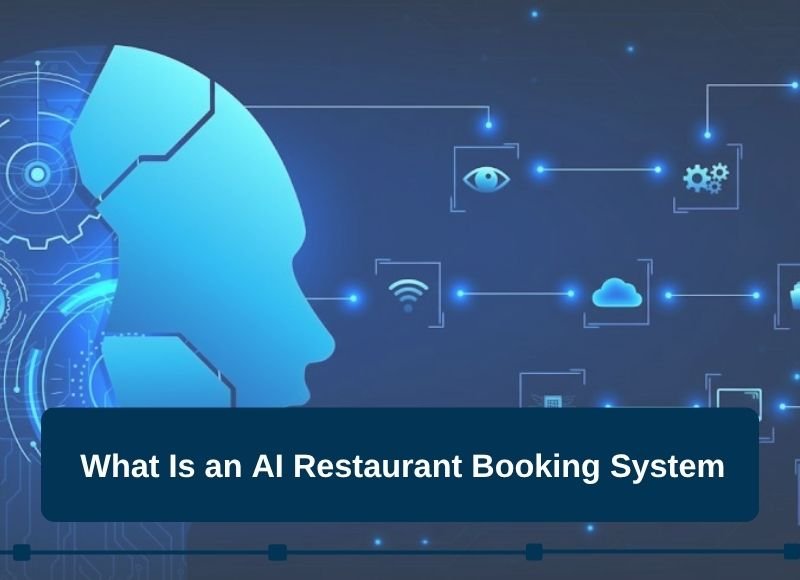
An AI restaurant booking system is software that uses artificial intelligence to handle and optimise reservations.
It does more than a traditional restaurant reservation software or table booking system. It learns from booking patterns, adjusts availability, and helps you use your space better.
In simple terms, it turns your booking system into a decision-making tool, not just a calendar.
How It Is Different from Traditional Booking Software
Most traditional systems work like a digital notebook. You enter bookings, assign tables, and manage changes manually. An AI system works differently. It:
- Adjusts table allocation automatically
- Tracks real-time availability
- Suggests the best seating arrangements
- Handles cancellations and waitlists intelligently
- Reduces dependency on staff decisions
This shift from manual control to automated optimisation is what makes AI systems more powerful.
How an AI Restaurant Booking System Works
At its core, the system connects multiple parts of your restaurant into one flow. When a guest makes a booking, the system:
- Checks real-time table availability
- Assigns the best table based on party size and timing
- Updates the floor plan instantly
- Sends confirmations and reminders automatically
- Adjusts bookings if cancellations happen
Many systems also connect with:
- POS systems
- guest management tools
- CRM and loyalty programs
This creates a complete restaurant booking and management ecosystem.
Key Features That Define an AI Booking System
Not every booking tool is truly AI-driven. The difference comes from the features it offers.
Smart Table Management
The system does not rely on fixed tables. It adjusts layouts and uses space dynamically to fit more bookings without affecting the experience.
Waitlist and Cancellation Handling
When a table frees up, the system fills it automatically using waitlist data.
Automated Communication
Guests receive confirmations, reminders, and updates through SMS or email. This helps reduce no-shows.
Predictive Booking Insights
AI analyses patterns such as peak hours and guest behaviour. It helps you plan better and avoid overbooking or underutilisation.
Multi-channel Booking
Bookings can come from:
- Website
- Phone
- QR code
- Social platforms
All of them sync into one system.
Why Restaurants Are Moving Toward AI Booking Systems
The biggest reason is simple. Restaurants lose revenue when their booking process is not efficient. Here is what usually happens without AI:
- Missed calls lead to lost bookings
- Tables stay empty due to poor allocation
- Staff spend time adjusting reservations manually
- No-shows reduce daily revenue
An AI restaurant reservation system solves these problems directly. It helps you:
- Capture more bookings
- Improve table turnover
- Reduce no-shows
- Improve guest experience
- Save staff time
The Role of AI in Reducing No-Shows
No-shows are one of the biggest issues in the restaurant industry. AI helps reduce them in several ways:
- Sends automated reminders
- Allows easy confirmations or cancellations
- Uses deposit-based bookings when needed
- Tracks guest behaviour for future decisions
This creates a more reliable booking flow.
How AI Improves Table Utilisation
A major benefit of using an AI booking system is better use of space. Instead of treating tables as fixed assets, AI systems:
- Combine or split tables dynamically
- Adjust seating based on demand
- Fill gaps between bookings
- Maximise covers per service
This leads to higher revenue without increasing capacity.
AI Booking System vs Manual Reservation Management
Manual systems rely heavily on staff experience. This works in small setups but becomes inefficient as demand grows. AI systems bring consistency and speed.
| Manual System | AI Booking System |
|---|---|
| Fixed table allocation | Dynamic table management |
| Staff-dependent decisions | Automated optimisation |
| Limited data usage | Data-driven insights |
| Higher risk of errors | Real-time accuracy |
The difference becomes clear during busy hours when speed and accuracy matter most.
Is an AI Booking System Worth It for Restaurants?
For most modern restaurants, the answer is yes. If your restaurant deals with:
- High booking volume
- Busy peak hours
- Frequent no-shows
- Multi-channel reservations
Then an AI restaurant booking system can significantly improve operations. Even smaller venues benefit from automation, especially in reducing manual workload and missed opportunities.
Where the Industry Is Heading
The shift toward AI in restaurants is growing quickly. Booking systems are no longer standalone tools. They are becoming part of a complete restaurant operating system that includes:
- Reservations
- POS
- Ordering
- Marketing
- Guest data
This means the booking system plays a central role in how restaurants operate and grow.
Conclusion Thoughts
An AI restaurant booking system like ResButler System is not just about taking reservations. It is about managing your entire booking flow with intelligence.
It helps you:
- Use your space better
- Serve more guests efficiently
- Reduce operational stress
- Improve overall revenue
As restaurants become more data-driven, AI booking systems will move from being optional tools to essential infrastructure.